
How to Start a Photography Business in Canada

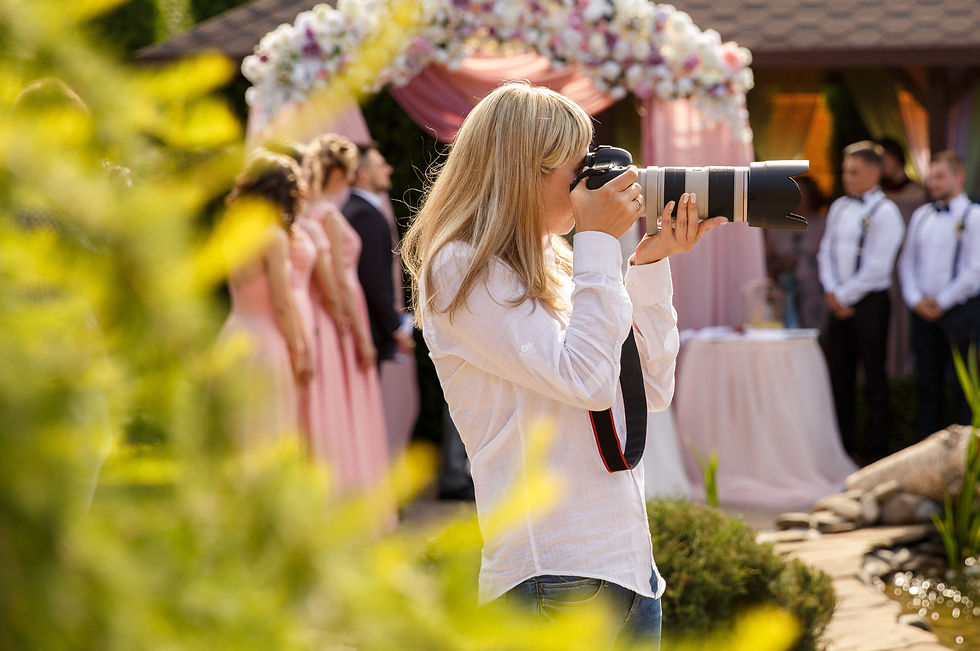
Starting a photography business sounds exciting — until you realize there’s a lot more involved than simply owning a camera.
From pricing your services and registering your business to finding clients and standing out in a crowded market, building a successful photography business takes planning, strategy, and consistency.
The good news? The demand for photographers and videographers continues to grow in 2026. Businesses need content, couples want wedding photographers, brands rely on social media visuals, and creators are investing more into personal branding than ever before.
Whether you want to shoot weddings, portraits, events, products, real estate, or content for social media, this guide will walk you through exactly how to start a photography business in Canada — step by step.
How Do You Start a Photography Business?
Step-by-Step Overview
Choose your photography niche
Buy the right equipment
Build a portfolio and website
Price your photography services
Market your business online
Create contracts and legal protections
Why Starting a Photography Business Is Still a Smart Move in 2026
Photography is no longer limited to weddings and family portraits.
Modern photographers now earn income through:
Brand photography
Social media content creation
Product photography
Corporate headshots
Real estate photography
Drone photography
Event coverage
Videography
YouTube production
Content subscriptions
Stock photography
Licensing images
According to the global creator economy market, visual content demand continues to rise as businesses prioritize digital marketing and video-first platforms.
Is photography still profitable in 2026?
Yes. Photography businesses remain profitable in 2026 because businesses, creators, and consumers rely heavily on visual content for social media, branding, advertising, and digital marketing.
Step 1: Decide What Type of Photography Business You Want to Start
One of the biggest mistakes new photographers make is trying to serve everyone.
Choosing a niche helps you:
Market more effectively
Charge higher prices
Build authority faster
Create a recognizable brand
Attract ideal clients
Popular Photography Niches
Niche | Average Startup Cost | Income Potential |
Wedding Photography | High | Very High |
Portrait Photography | Medium | Medium-High |
Product Photography | Medium | High |
Real Estate Photography | Medium | High |
Event Photography | Medium | Medium |
Commercial Branding | Medium | High |
Food Photography | Medium | Medium-High |
Sports Photography | High | Medium |
Pet Photography | Low-Medium | Medium |
Videography Is Growing Fast
If you're wondering how to start a videography business, many of the same steps apply.
Adding video services can significantly increase your revenue because clients increasingly want:
Reels
TikTok content
YouTube videos
Commercial ads
Drone footage
Brand storytelling content
Pro Tip
Many photographers now package photography + short-form video together to increase booking value.
A business plan doesn’t need to be complicated.
It simply helps you understand:
Your goals
Your expenses
Your pricing
Your target audience
Your revenue expectations
What to Include in Your Business Plan
Business Overview
What type of photography services will you offer?
Target Market
Who are your ideal clients?
Examples:
Engaged couples
Small businesses
Realtors
Influencers
Restaurants
Families
Startup Costs
Expense | Estimated Cost |
Camera & Lens | $2,500–$8,000 |
Editing Software | $20–$80/month |
Website & Hosting | $150–$500/year |
Insurance | $500–$1,500/year |
Lighting Equipment | $300–$2,000 |
Marketing | $200–$2,000 |
Business Registration | $60–$500+ |
Revenue Goals
Estimate:
Sessions per month
Average package price
Monthly expenses
Profit targets
To legally operate, most photographers should register their business.
Common Business Structures
Structure | Best For | Pros | Cons |
Beginners | Simple & inexpensive | Personal liability | |
Growing businesses | Liability protection | More administration |
Do You Need a License to Start a Photography Business?
Can I start a photography business without a license?
Yes, in most parts of Canada you can start a photography business without a special photography license. However, you may still need to register your business, collect HST/GST, and comply with local municipal requirements.
Remember though, if you’re using a business name to operate, you’ll need to register either as a small business or a corporation.
When You May Need Additional Permits
You might need:
Drone licensing
Municipal filming permits
Commercial studio zoning approval
Event venue insurance
A great resource for permit information is BizPal, where you can input where your business is and what you’re doing to get an idea of what you might need.
Step 4: Register for Taxes and Open a Business Bank Account
Once your business grows, separating personal and business finances becomes essential.
You May Need:
GST/HST account
Payroll account (if hiring)
HST Rules in Canada
You generally must register for HST/GST once your business earns over $30,000 in revenue within 12 months.
Step 5: Invest in the Right Photography Equipment
You do NOT need a $15,000 setup to begin.
Many successful photographers started with:
One camera body
One versatile lens
Natural lighting
Basic editing software
A lot of photographers will upgrade their equipment over time - this can give you a great opportunity to find second-hand equipment for a better price!
Beginner Photography Equipment Checklist
Camera Essentials
Mirrorless or DSLR camera
24-70mm lens
50mm prime lens
Memory cards
Backup batteries
Lighting
Speedlight
Softbox
Reflector
Editing Software
Adobe Lightroom
Adobe Photoshop
Capture One

Step 6: Build a Portfolio That Attracts Clients
Your portfolio matters more than expensive gear.
Clients care about:
Consistency
Style
Editing quality
Experience
Reliability
How to Build a Portfolio Fast
Offer:
Free practice shoots
Styled shoots
Collaborations with local businesses
Discounted introductory sessions
Focus on:
Lighting consistency
Strong editing
Emotion/storytelling
Variety within your niche
Step 7: Create a Professional Photography Website
Your website is your storefront.
Without one, many clients won’t take your business seriously.
Your Website Should Include
Homepage
Clear messaging and portfolio highlights.
About Page
Tell your story and build trust.
Services Page
List packages and pricing ranges.
Portfolio Gallery
Show your best work only.
Contact Form
Make inquiries simple.
Blog
Helps with SEO and Google rankings.
SEO Blog Ideas
Best wedding photo locations in Toronto
What to wear for family photos
Real estate photography tips
How much wedding photography costs in Canada
Step 8: Price Your Photography Services Properly
Underpricing is one of the fastest ways to burn out.
Your pricing should include:
Shooting time
Editing time
Travel
Equipment depreciation
Taxes
Insurance
Profit margin
Example Pricing Structure
Service | Beginner Pricing | Experienced Pricing |
Portrait Session | $150–$400 | $500–$1,500 |
Wedding Package | $1,000–$3,000 | $4,000–$10,000+ |
Brand Shoot | $300–$1,000 | $1,500–$5,000 |
Real Estate Shoot | $150–$500 | $500–$2,000 |
Pro Tip
Never compete only on price. Compete on:
Experience
Style
Client experience
Reliability
Turnaround time
Step 9: Create Contracts and Protect Yourself Legally
Every photography business should use contracts.
Your Contract Should Cover:
Payment terms
Cancellation policy
Deliverables
Turnaround times
Copyright ownership
Usage rights
Model releases
Liability limitations
You Should Also Consider:
Business insurance
Equipment insurance
Backup storage systems
Client data protection
Step 10: Market Your Photography Business
Even talented photographers struggle without marketing.
Best Marketing Channels for Photographers in 2026
Still highly effective for visual businesses.
TikTok
Great for behind-the-scenes content.
Excellent for weddings and lifestyle photography.
Google Business Profile
Critical for local SEO.
Networking
Partner with:
Wedding planners
Realtors
Local businesses
Makeup artists
Event venues
Local SEO Tips for Photography Businesses
Optimize for “Near Me” Searches
Examples:
Wedding photographer in Toronto
Family photographer in Calgary
Product photographer near me
Your Google Business Profile Should Include:
Services
Portfolio images
Reviews
Service areas
Booking link
How to Get Your First Photography Clients
Beginner-Friendly Client Strategies
Ask Friends & Family
Your first referrals often come from your network.
Join Local Facebook Groups
Many communities actively look for photographers.
Collaborate with Businesses
Offer content packages for local brands.
Run Mini Sessions
Quick seasonal sessions can generate fast bookings.
Offer Referral Incentives
Happy clients are powerful marketers.
Common Mistakes
Underpricing services
Not using contracts
Ignoring SEO
Buying too much gear too soon
Failing to back up files
Mixing personal and business finances
Not niching down
Ignoring taxes
Once your bookings increase, focus on systems.
Ways to Scale
Hire Second Shooters
Especially for weddings and events.
Sell Digital Products
Examples:
Lightroom presets
Courses
Templates
Add Videography
A natural expansion opportunity.
Create Recurring Contracts
Monthly content retainers can stabilize income.
Real-World Example
Example Scenario
A Toronto-based photographer starts by offering:
Weekend portrait sessions
Instagram content shoots
Small business branding packages
Within 18 months, they:
Build recurring monthly clients
Expand into videography
Hire freelance editors
Increase average booking value from $250 to $2,000+
The biggest growth factor? Consistent marketing and niche positioning.
Final Thoughts
Starting a photography business in 2026 is about far more than taking beautiful pictures.
The photographers who succeed long-term understand branding, marketing, customer experience, SEO, and business systems — not just camera settings.
If you focus on:
A strong niche
Professional branding
Consistent marketing
Excellent customer service
Smart pricing
…you can build a photography business that grows steadily year after year.
The biggest mistake is waiting until everything feels “perfect.”
Most successful photographers started with limited gear, imperfect portfolios, and zero experience running a business. What separated them from everyone else was taking action consistently.
Ready to get started? Whether you're looking to launch a sole proprietorship or incorporate, Launch A Business is here to help get you started!


